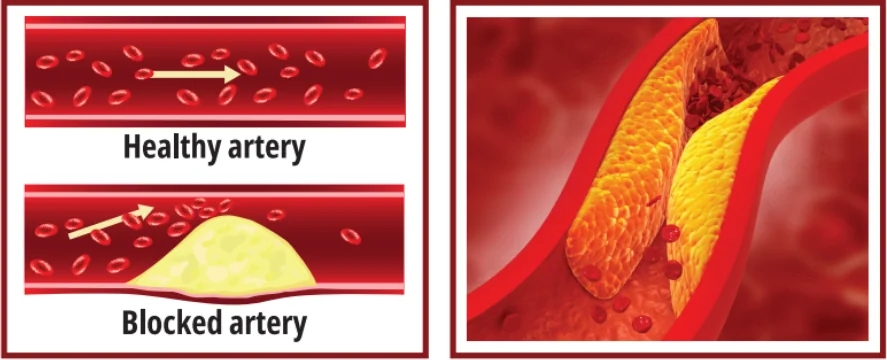
Cholesterol isn’t all bad — in fact, your body needs it. But too much of the wrong kind can quietly build up in your arteries, increasing your risk of heart disease, stroke, and other serious conditions.
So how do you know when it’s time to take action?
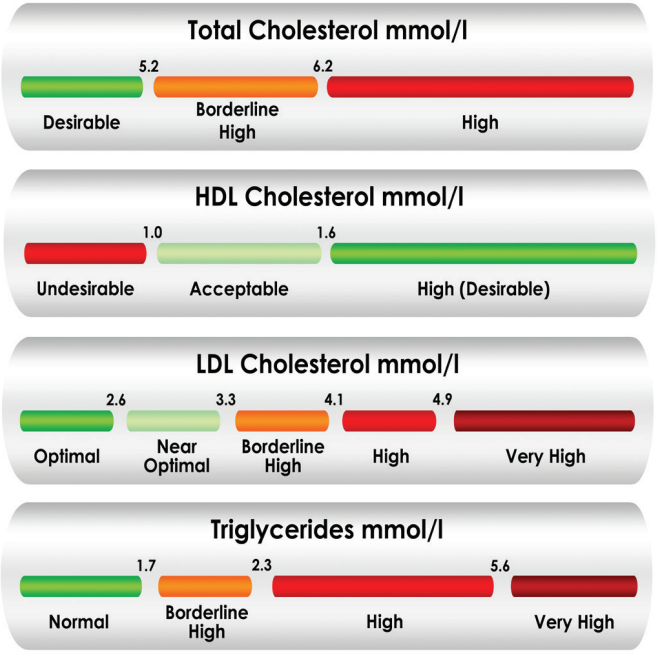
Start with a blood test. Ask your doctor for a Lipid Profile, which measures:
• Total Cholesterol
• HDL (Good Cholesterol) – helps clear bad cholesterol
• LDL (Bad Cholesterol) – builds up in your arteries
• Triglycerides – a type of fat that can also raise heart disease risk
These should be monitored regularly, especially if:
• You have a family history of high cholesterol or heart disease
• You’re over 40
• Your diet is high in processed foods or saturated fat
• You smoke, are overweight, or don’t exercise regularly
• You have diabetes or high blood pressure
If your results are abnormal, don’t wait. Lifestyle changes can make a big difference:
• Eat more fiber, fruits, and healthy fats
• Cut down on red meat, fried foods & sugary snacks
• Get active — even a brisk 30-minute walk helps
• Quit smoking and reduce alcohol intake